
8220 Renaissance Consort
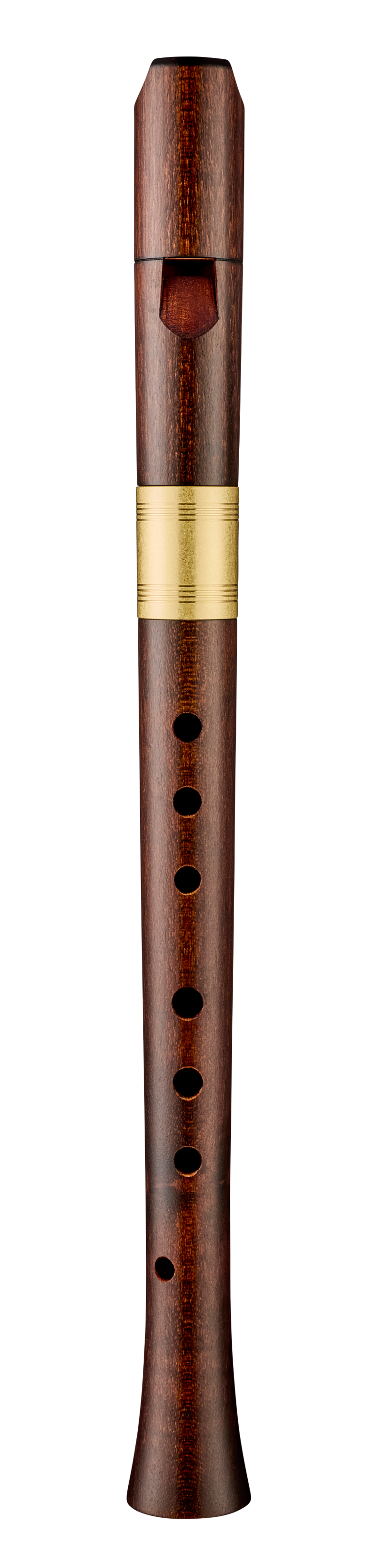
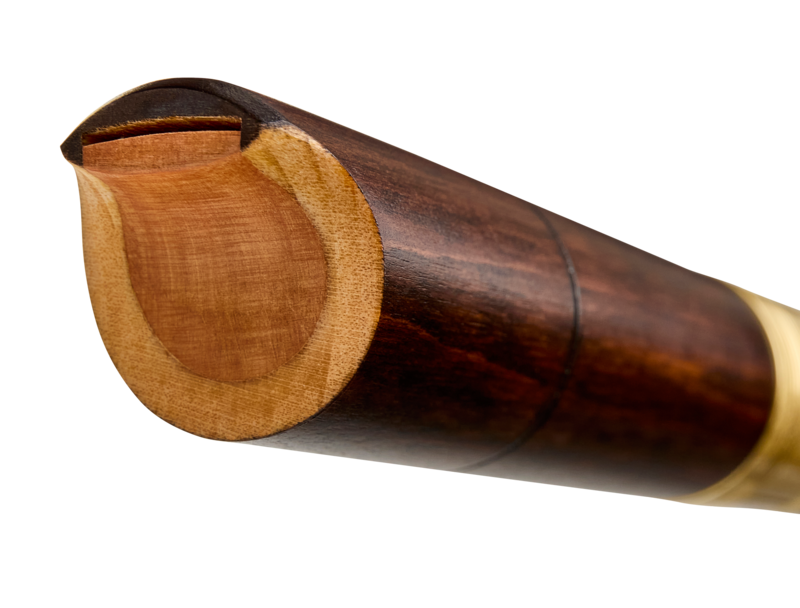
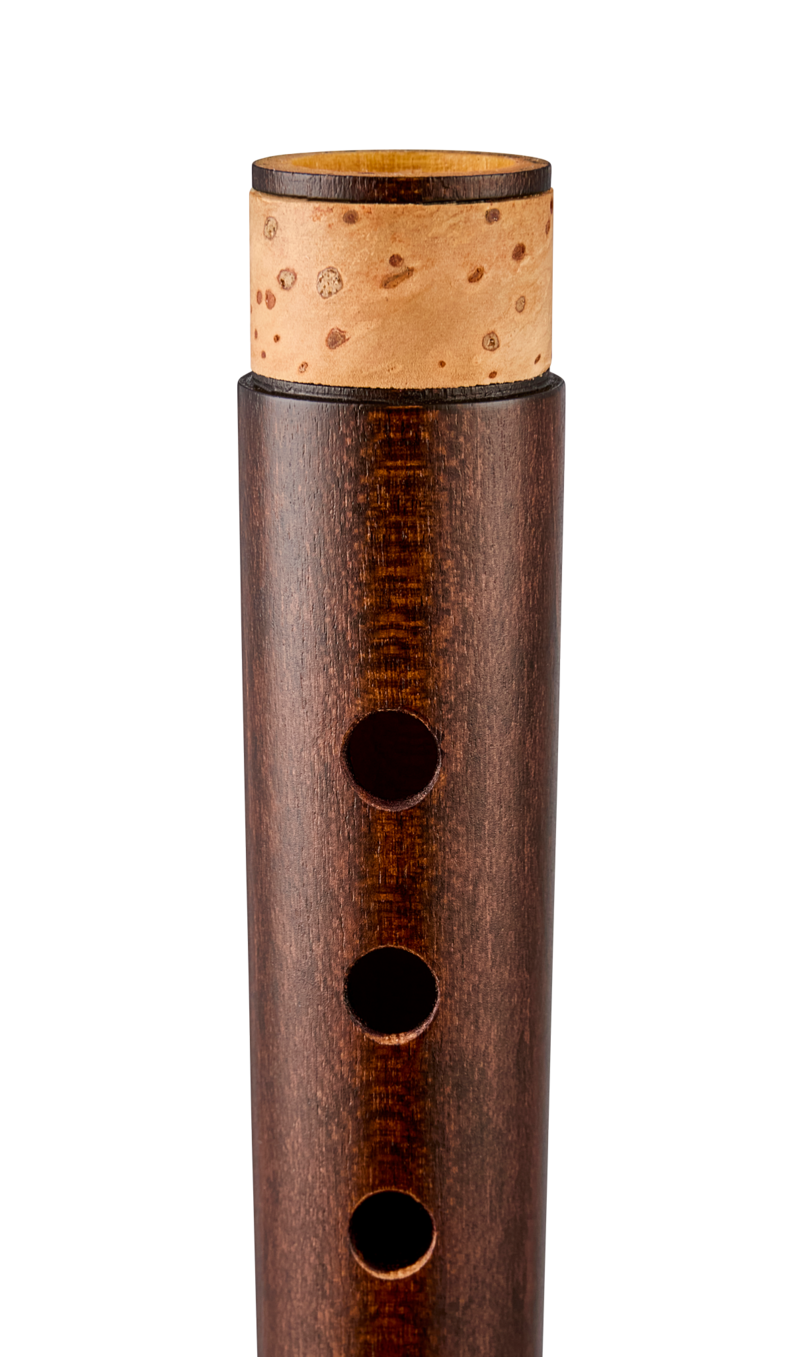
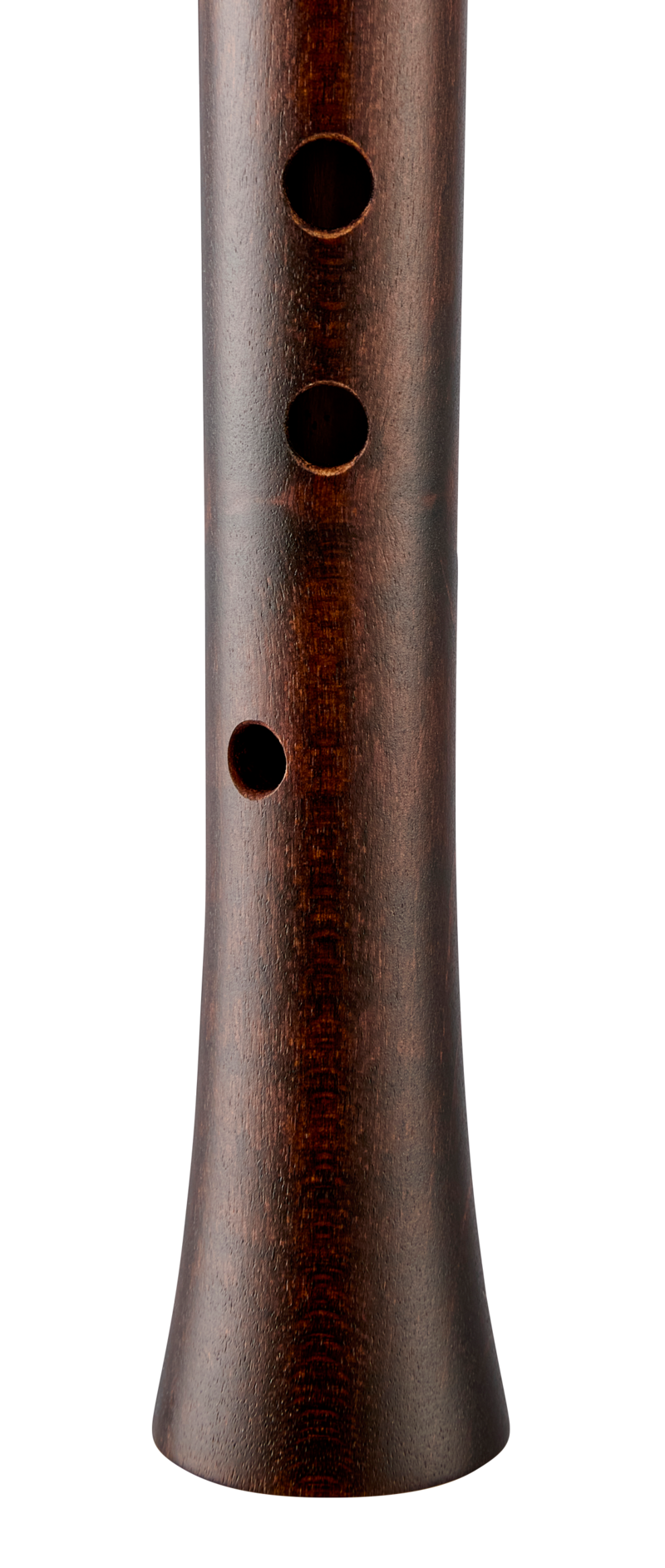
Our soprano recorder from the Renaissance Consort model series based on historical recorders from the Kunsthistorisches Museum in Vienna. Made in two parts from oiled and stained maple wood and connected with a brass joint, this instrument is equipped with single holes in Baroque fingering. The pitch is on the concert pitch a1 = 440 Hz and the range is an octave and a sixth. With its sonorous and well-blending sound, our Renaissance Consort soprano recorder is ideal for the repertoire of polyphonic Renaissance music.
Our Renaissance models are reconstructions based on the well-known instruments in the collection of historical musical instruments at the Kunsthistorisches Museum in Vienna's Hofburg.
The basis tuning is 440 Hz (deviating from the original tuning of approx. 460 Hz). The range of a single instrument from the series, which extends from sopranino to sub-bass, is one octave and a sixth. This gives the entire consort an impressive range of almost five octaves! The tuning and intonation are tailored to the needs of polyphonic Renaissance music. A uniform tone colour and volume, in addition to precise intonation, ensure that the instruments blend well. This makes our Renaissance Consort recorders ideal for the harmonious and melodically balanced music of the 15th and 16th centuries.
Two consorts are available, tuned to mean tone from sopranino to subbass in Renaissance fingering or from sopranino to bass in the usual equal temperament with Baroque fingering. We recommend the Renaissance fingering which differs only slightly from the Baroque fingering and, in conjunction with mean tone tuning, supports the purity of the thirds. Minor adjustments between individual instruments in a consort are possible thanks to the construction in several parts connected by brass rings between the head, middle and lower sections – unlike with the one-part originals in the Kunsthistorisches Museum.
Hardness scale
Our wood hardness scale allows you to compare the hardness of the wood used for this instrument with the hardness of other woods in our range. The sound of a recorder is influenced by many material properties. The hardness of the wood is a suitable indicator of certain sound characteristics: softer woods (hardness level 1-2) tend to produce a warm and fundamental tone that blends well in an ensemble, while harder woods (hardness level 4-5) lead to a bright and resonant tone, ideal for solo playing. Those who play both, in ensembles and solo, will find suitable all-rounders in the medium-hard range (hardness level 3).
Hardness level 1 - soft wood
The maple wood (acer pseudoplatanus) used for this instrument comes from Europe. The wood is stained dark, but has the same properties as maple wood with a natural appearance. It is strong, fine-pored and flexible, and produces a warm, fundamental sound. This type of wood is one of the softer woods in our range.
Scope of delivery:
Case, cleaning rod and cloth, cork grease, care instructions and fingering chart, care set (sopranino / soprano)
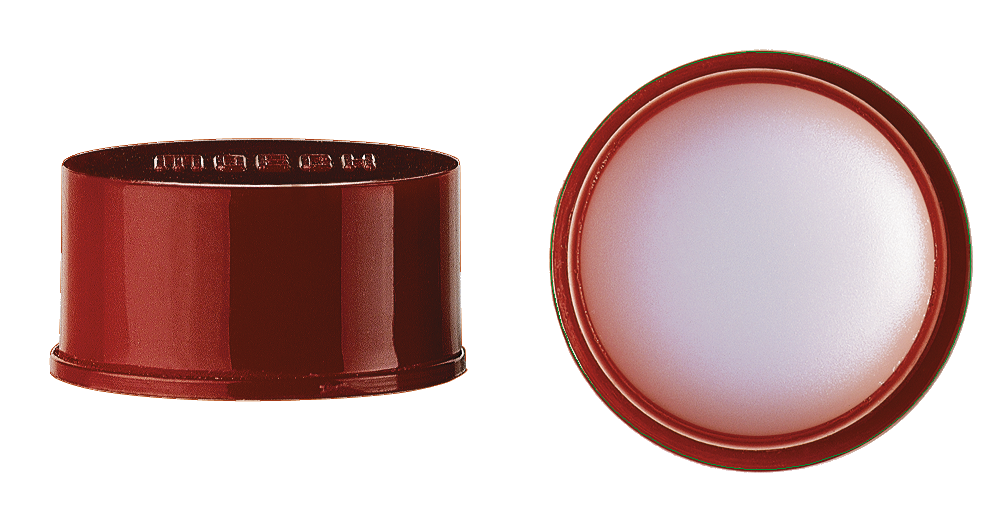
Cork grease
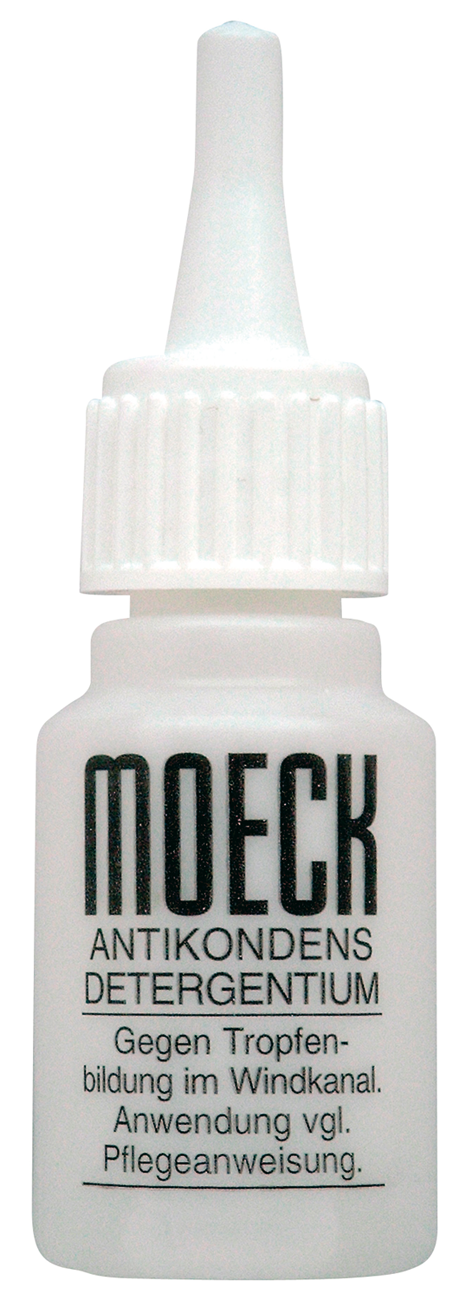
Anticondensation
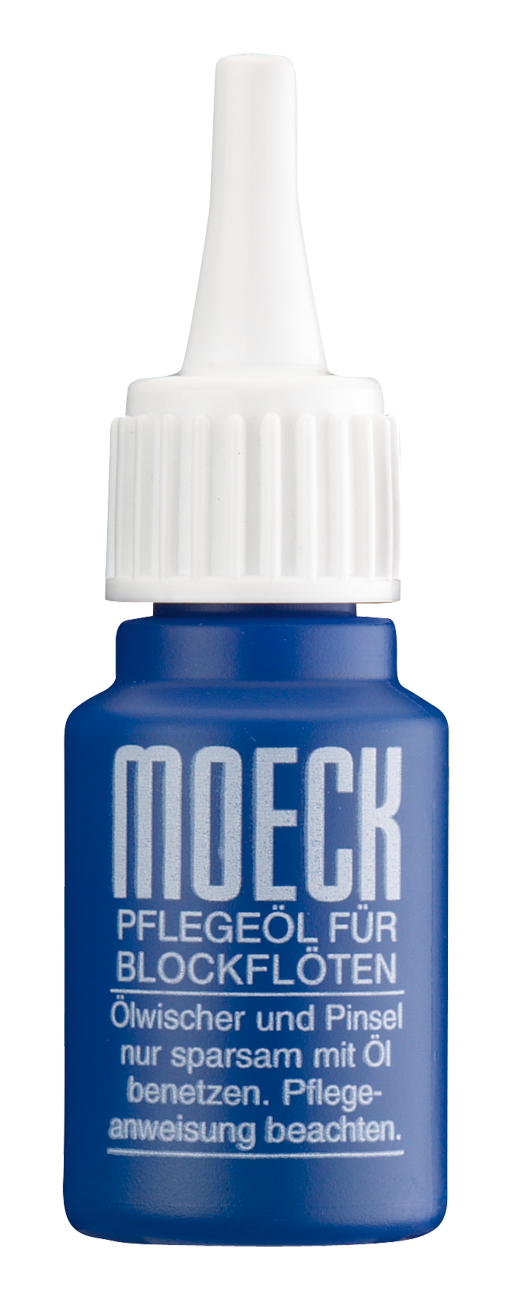
Recorder oil
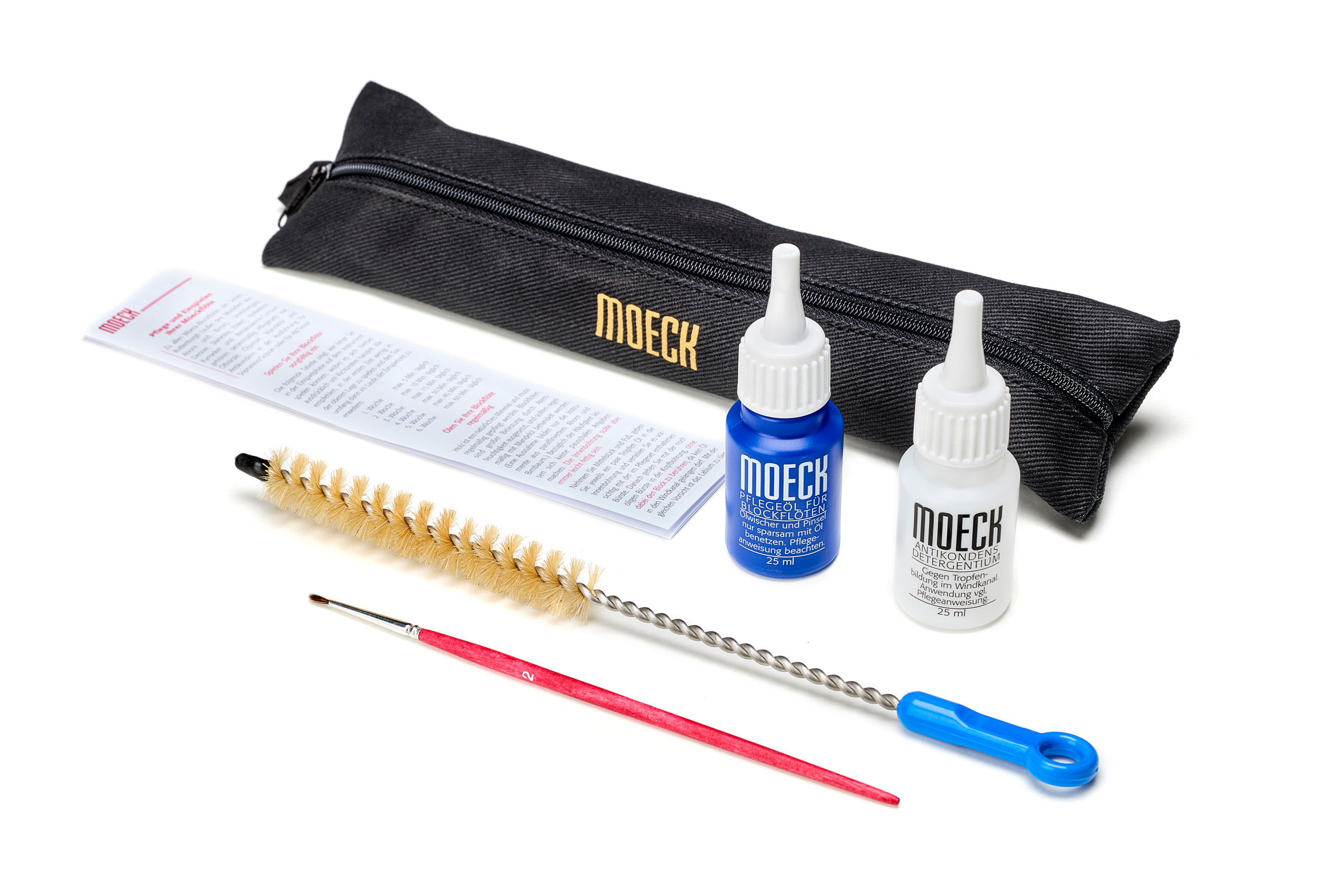
Care set for sopranino/soprano

Oil brush for sopranino/soprano

Wooden cleaning rod for sopranino/soprano
Wooden stand for sopranino to bass
In our service area you will find fingering charts, catalogs and brochures or also video tutorials and PDF downloads.