
Kynseker
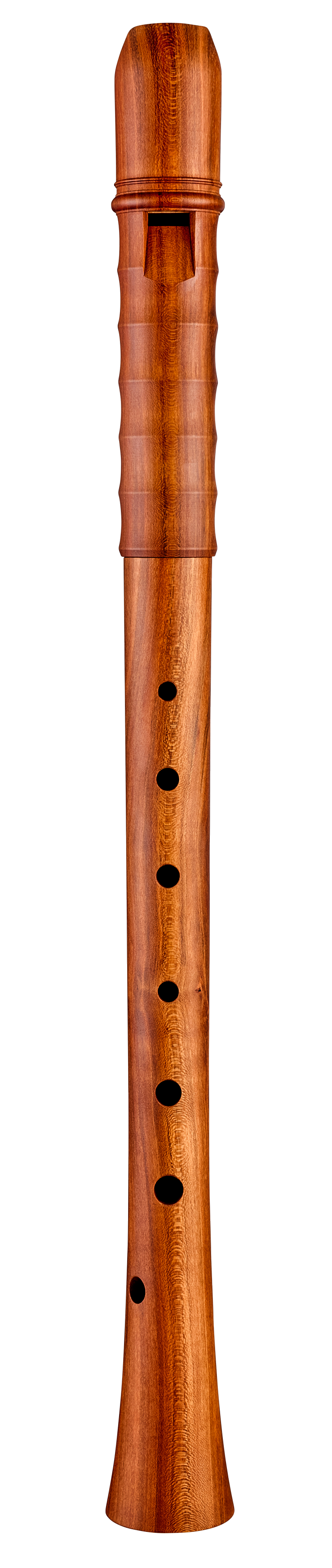
The external shape alone reveals that the Kynseker is a link between the straight shape of the Renaissance recorder and the magnificently turned Baroque recorder. However, its internal structure and sound also demonstrate that it represents an intermediate stage in the history of recorder making:
- its bore is narrower than that of a Renaissance recorder, but wider than that of a Baroque recorder,
- some of their tone holes are smaller than those of a Renaissance recorder, but larger than those of a Baroque recorder,
- its range of over two octaves is larger than that of a Renaissance recorder.
- its sound is almost as powerful and fundamental as that of a Renaissance recorder, but slimmer and more flexible. Yet, they are still far from achieving the elegance and agility of a Baroque recorder.
Our Kynseker Early Baroque recorders are ideally suited to the music of Jacob van Eyck and his contemporaries.
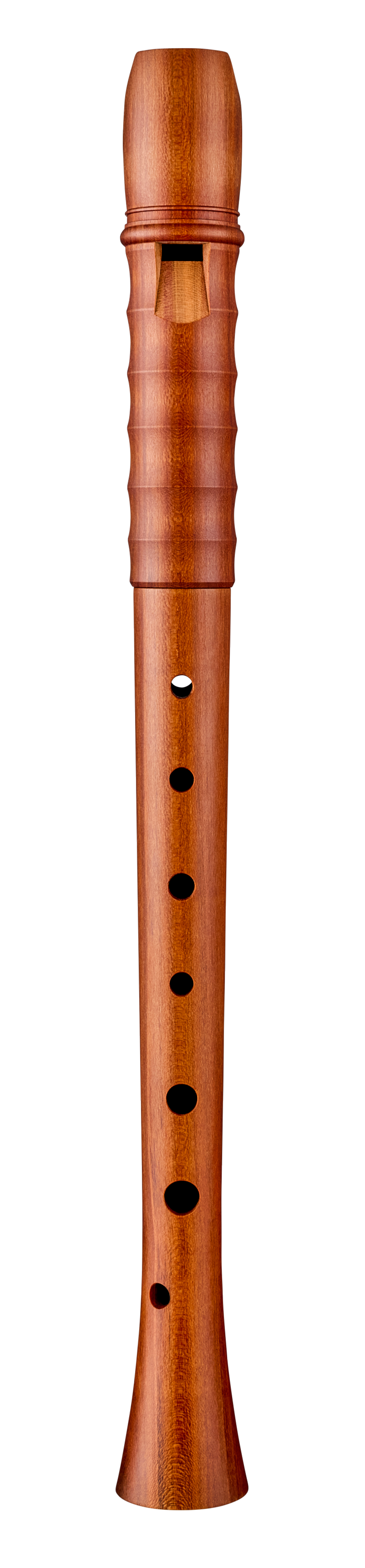
8250 Kynseker
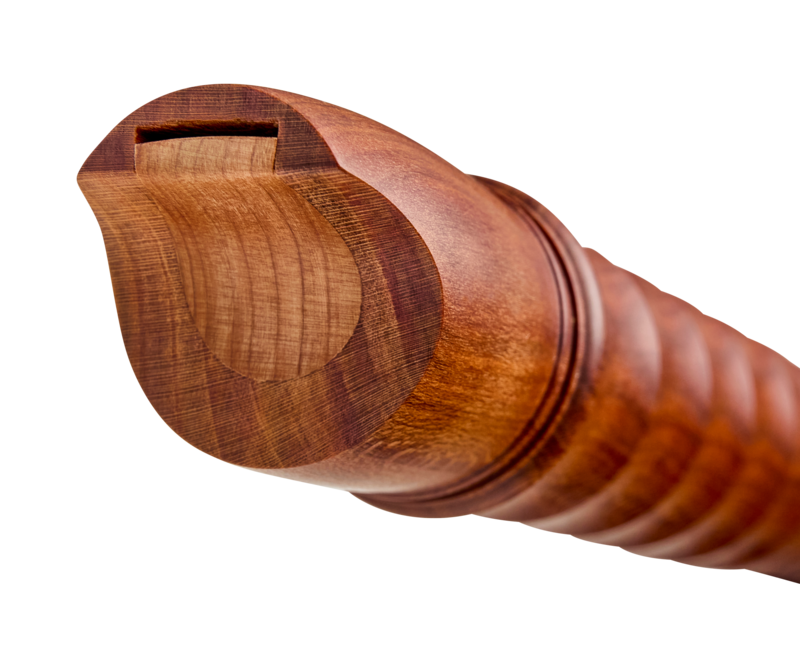
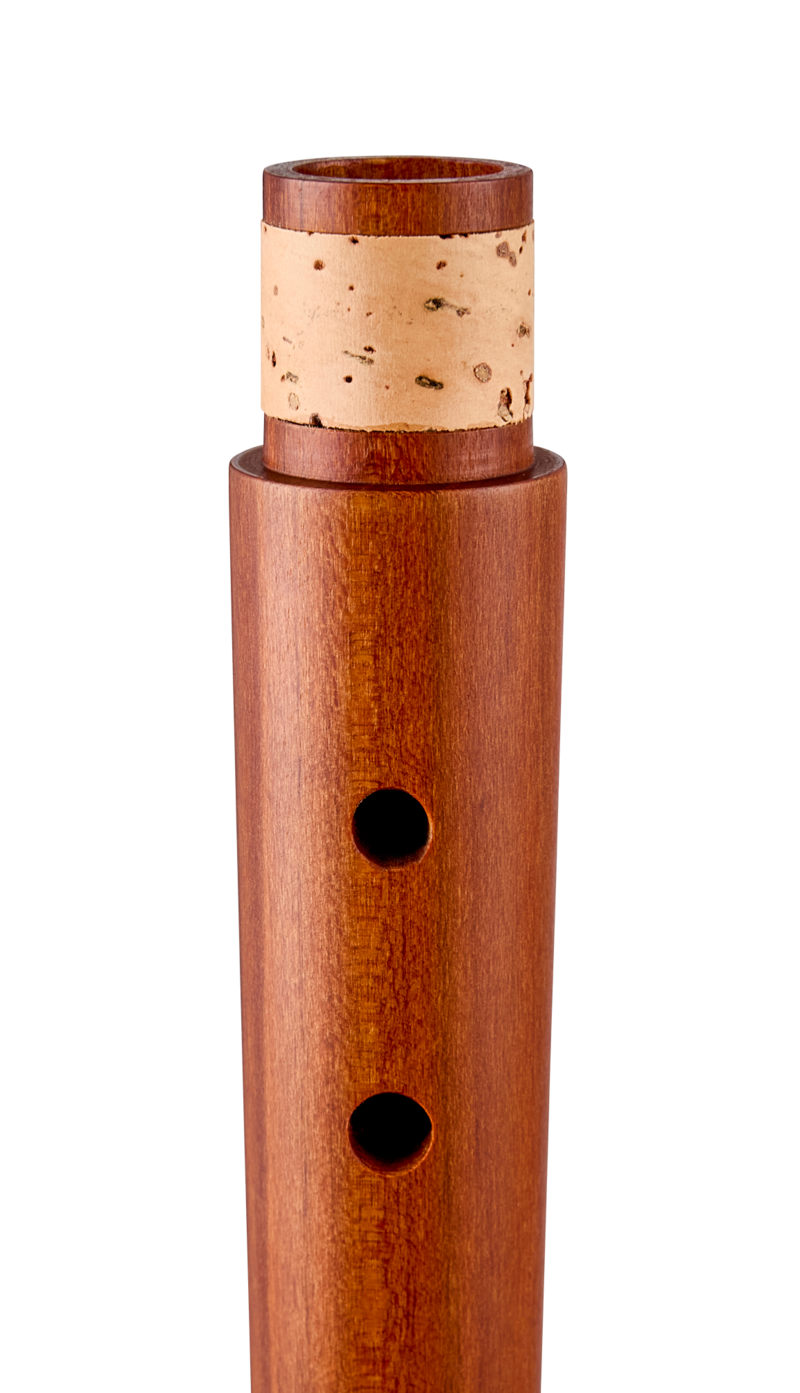
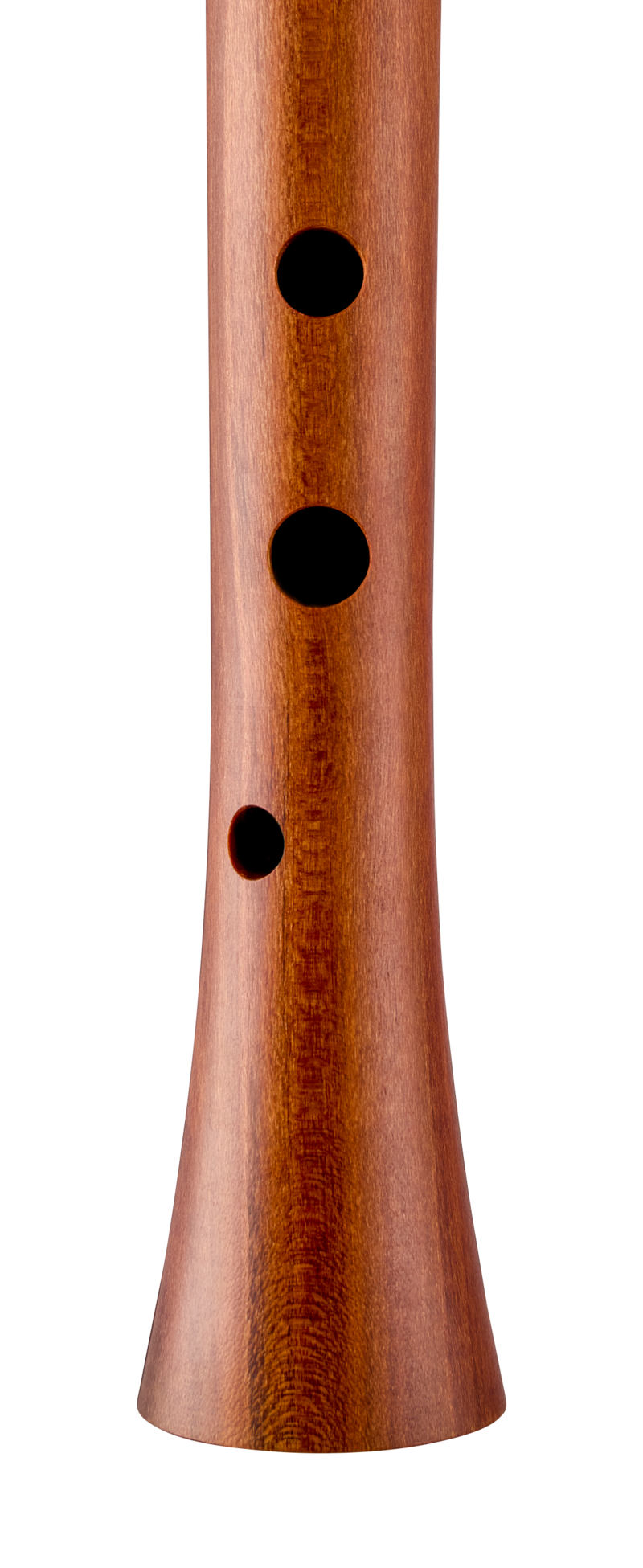
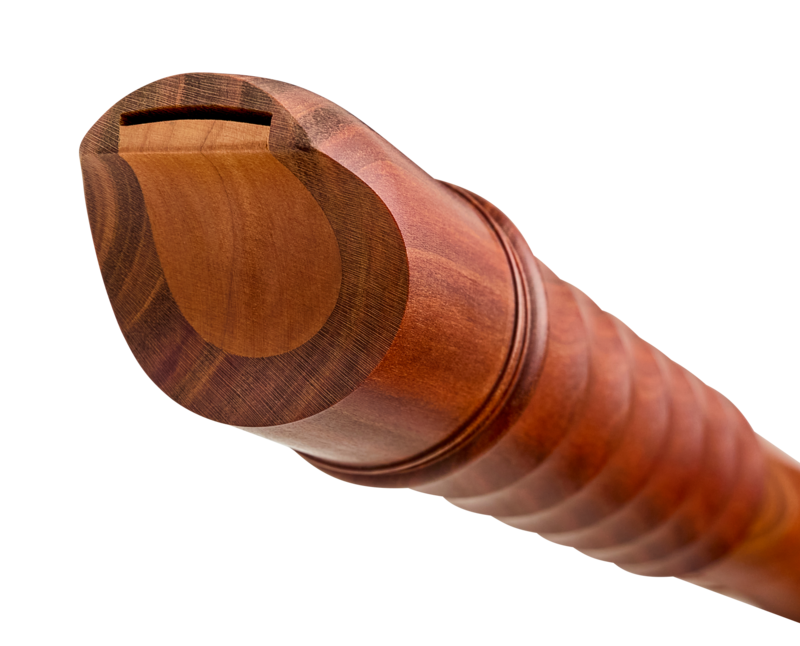
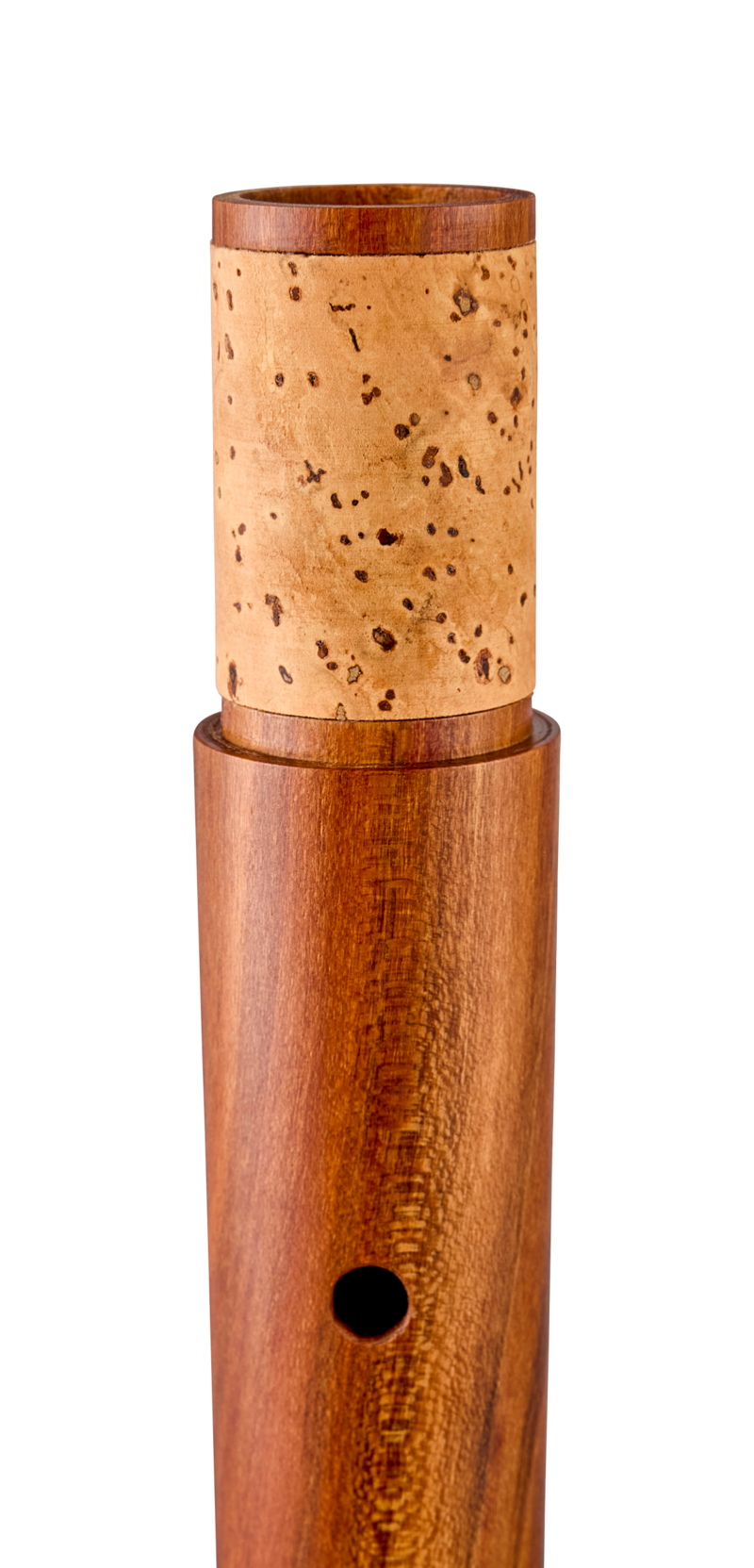
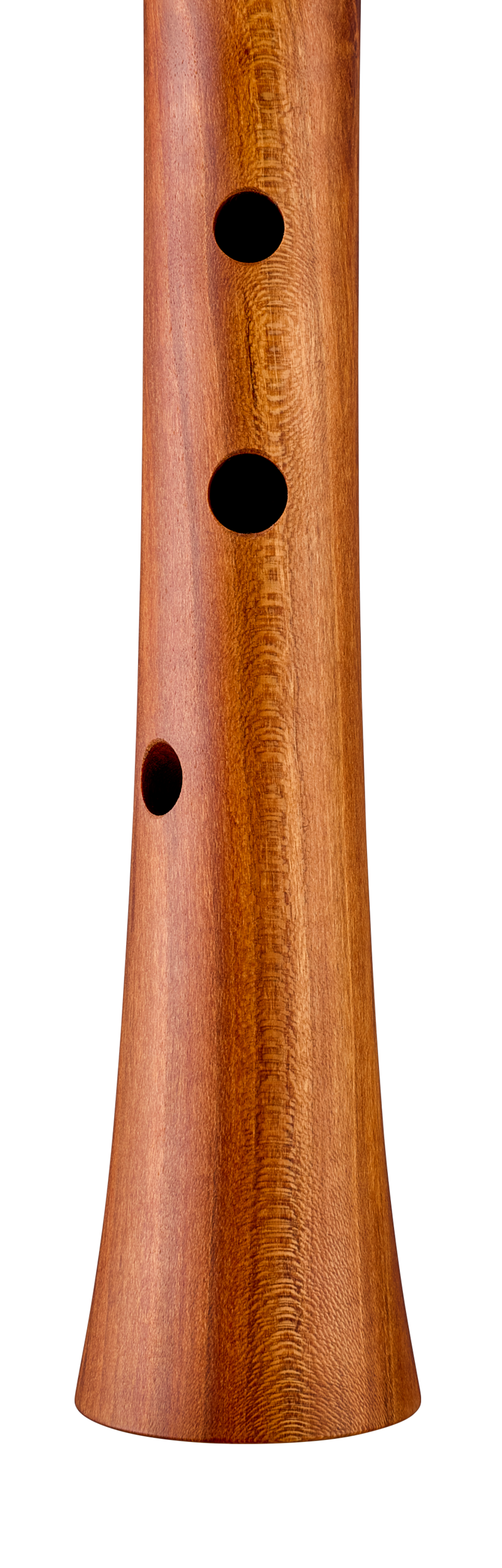
Our early Baroque soprano recorder based on original models by H. F. Kynseker (Nuremberg, 1636-1686) from the Germanisches Nationalmuseum in Nuremberg. Made in two parts from plum wood, with single holes and tuned to a1 = 442 Hz.
8350 Kynseker
Our early Baroque alto recorder based on original models by H. F. Kynseker (Nuremberg, 1636-1686) from the Germanisches Nationalmuseum in Nuremberg. Made in two parts from plum wood, with single holes and tuned to a1 = 442 Hz.