Our company history
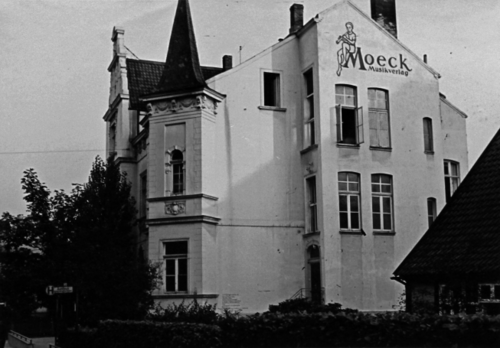
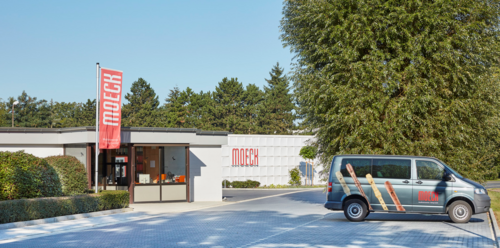
Our history started in 1930 as a small business in a town villa in Celle, Lower Saxony. Today, as a traditional family business, we supply our quality recorders to customers all over the world. Find out more about our company history via the timeline with special milestones from our history.
-
11930
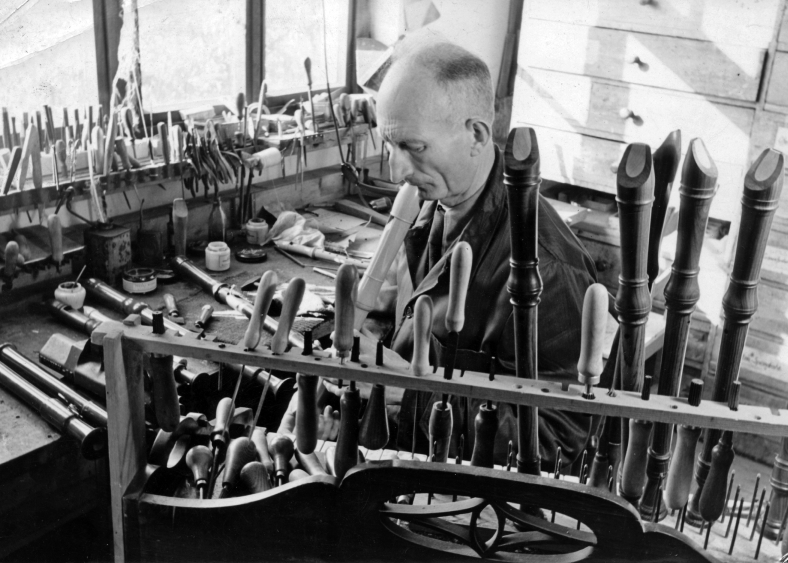
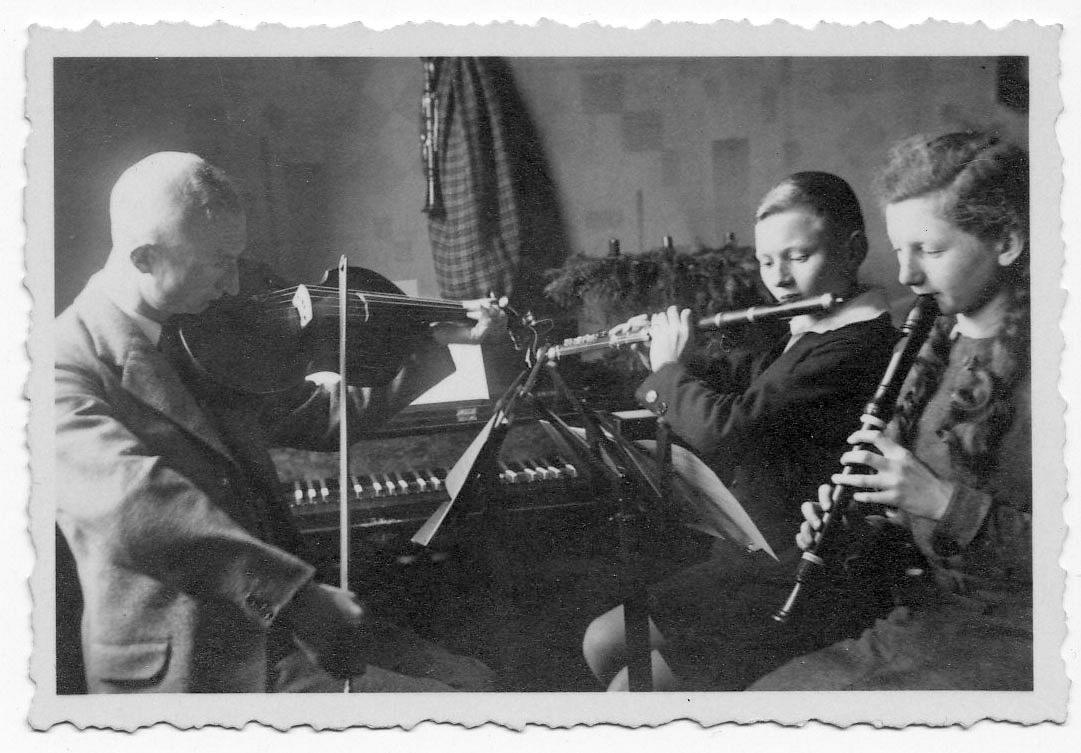
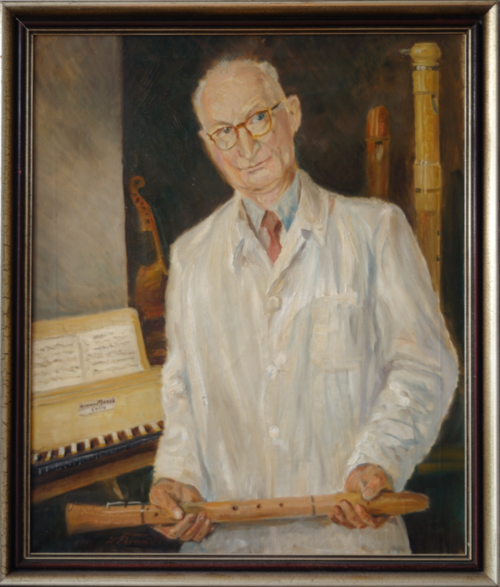
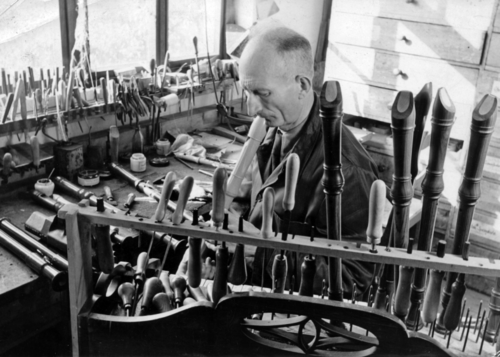
The history of the family business began in 1930: Hermann Johannes Moeck (9.7.1896 - 9.10.1982) founded the Moeck music publishing house and also sold recorders, which he had manufactured in the Vogtland region of Saxony. As a highly musical person with a talent for craftsmanship, he often worked on improving the quality of "his" recorders himself.
-
21948
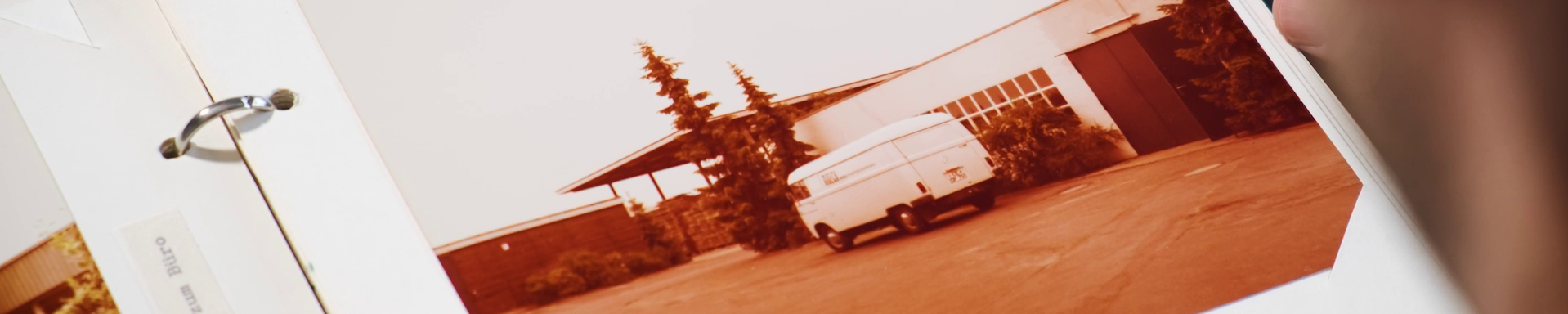
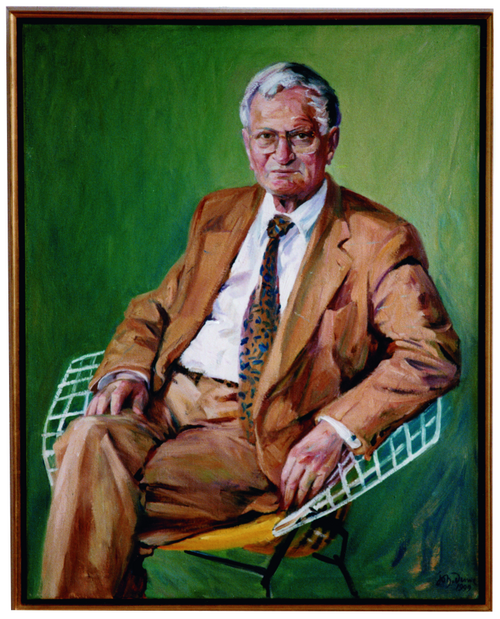
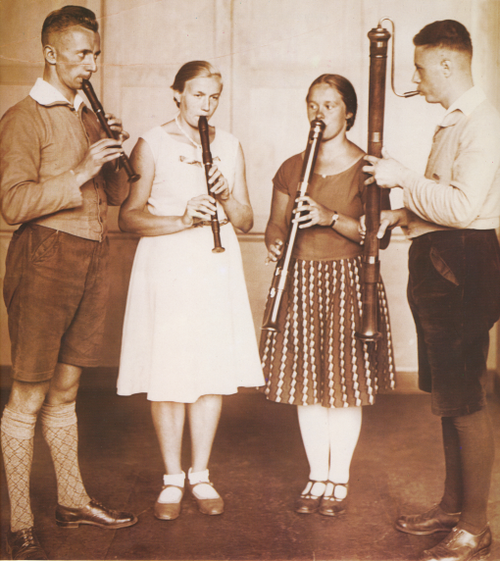
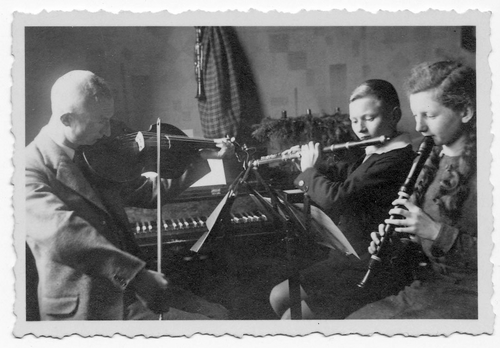
In 1948, his son Hermann Alexander Moeck (16.9.1922 - 9.7.2010) joined the company and became sole owner in 1960. In the period after the Second World War, recorder production began on a large scale and the company grew so that in 1962 it was able to move into new factory premises in Altencelle near Celle.
-
3The late 1960s
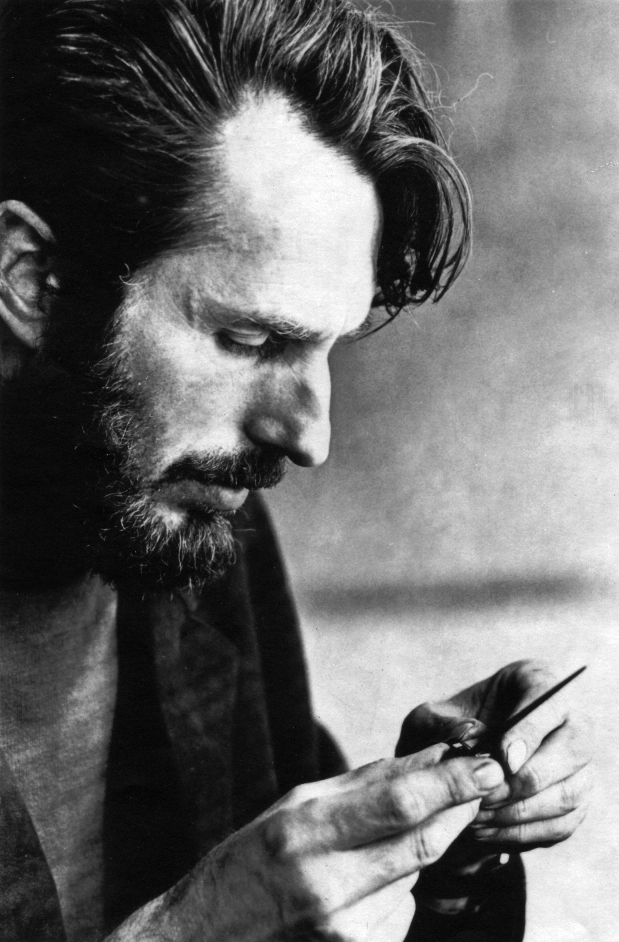
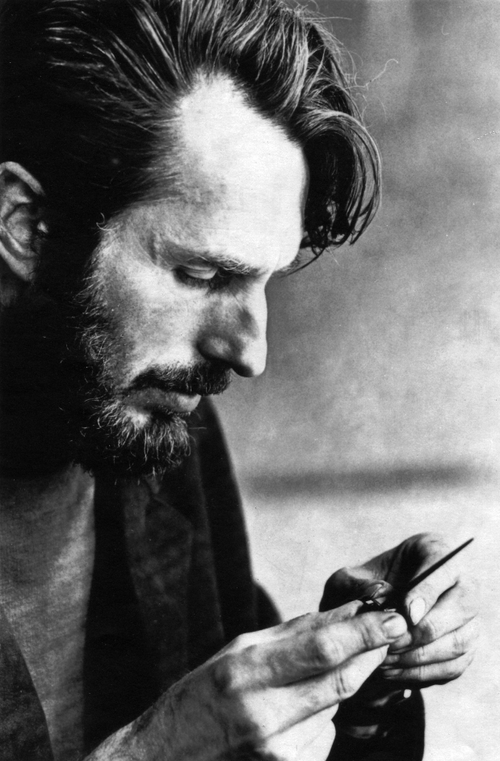
New models were gradually developed on the basis of historical recorders from European museums and collections. The recorder maker Friedrich von Huene (20.2.1929 - 8.5.2016) designed the Rottenburgh series for Moeck in the late 1960s. The recorder emancipated itself from its existence as an entry-level and amateur instrument and found its way into university courses.
Alongside the production of instruments, publishing activities with the publication of high-quality music editions, especially contemporary recorder music and specialist books on the subject of recorders and woodwind instrument making, formed a further growing line of business.

-
41985
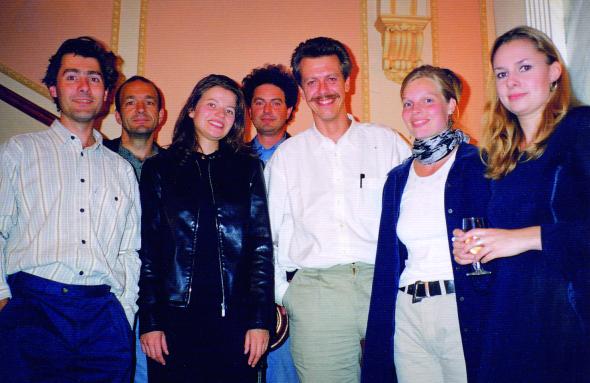
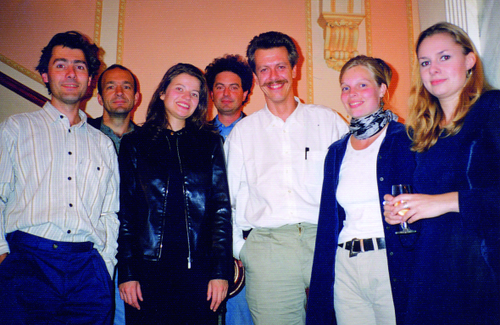
The Moeck SRP Solo Recorder Competition was held in England for the first time in 1985. This international competition for ambitious young players is still highly regarded today and many well-known recorder players are among the prizewinners, such as Dorothee Oberlinger, who won the competition in 1997. The competition takes place every two years as part of the London International Festival of Early Music (LIFEM).

-
5From 2002
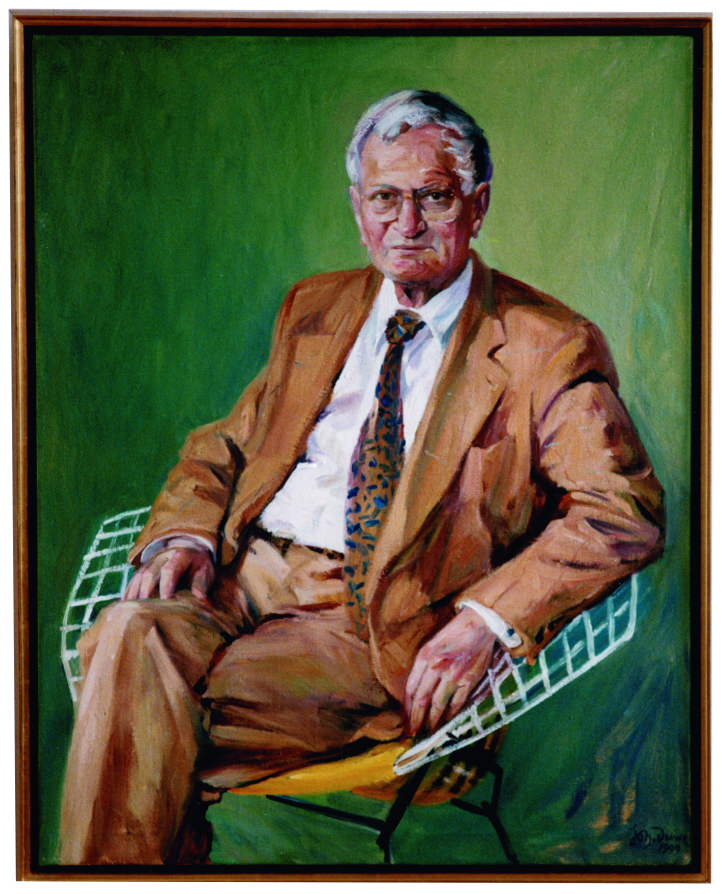
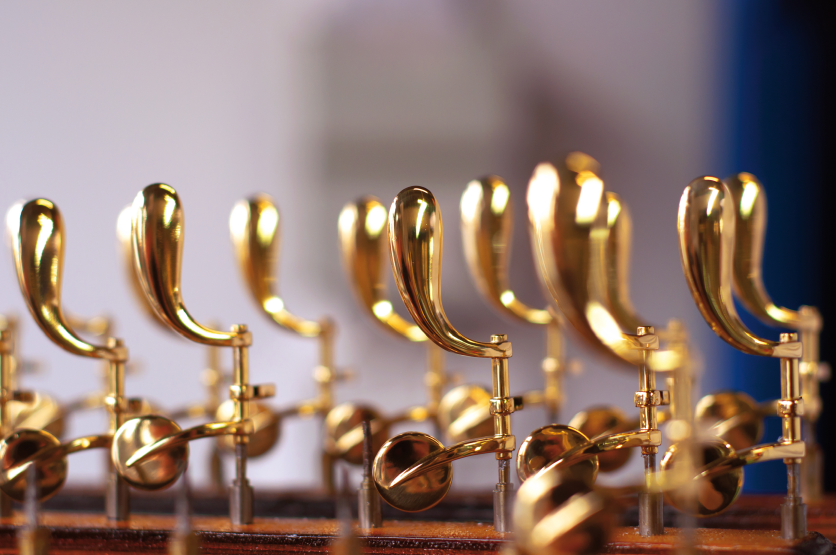
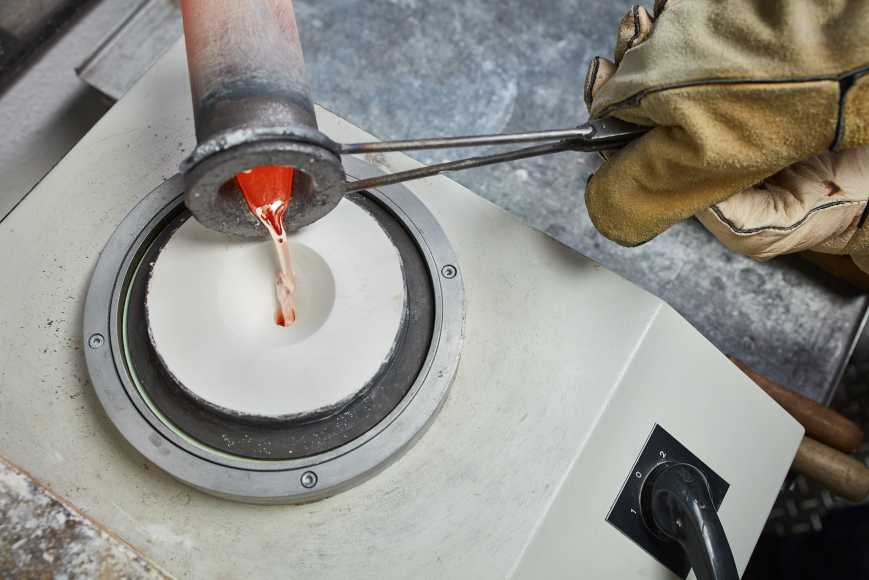
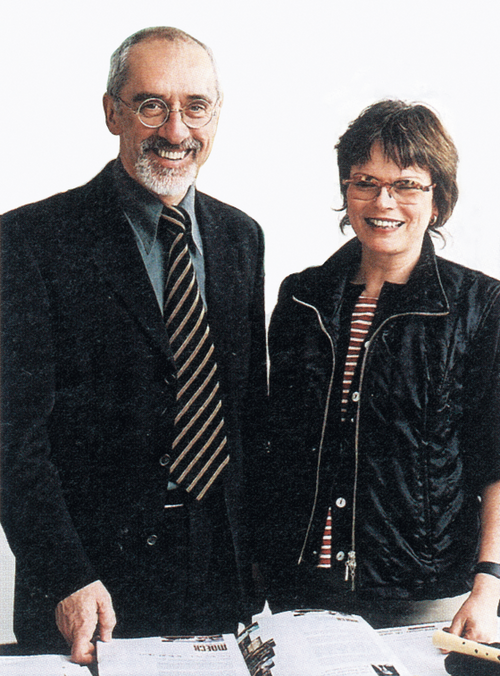
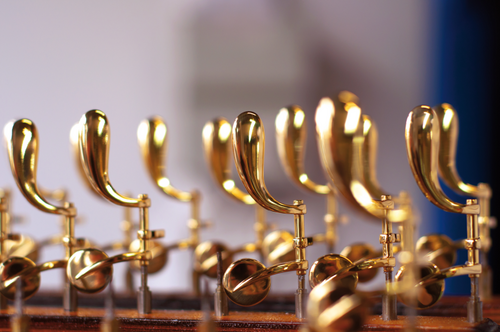
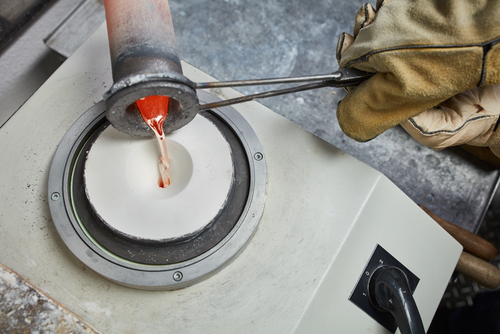
At the end of 2002, Dr. Hermann Moeck retired from the management of the company and handed over the business to his daughter Sabine Haase-Moeck, who ran it together with her husband Dr. Ronald Haase. Many technical innovations have been implemented since then. These include the expansion of the key manufacture including its own foundry in 2006. Since then, the key sets for all instruments have been manufactured here entirely by hand with precision craftsmanship, from brass casting and soldering to surface finishing.
-
6From 2014
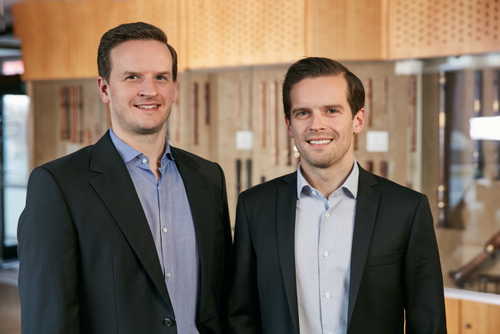
Shortly before the company's 85th anniversary, another generational change was imminent. In June 2014, company owner Sabine Haase-Moeck appointed her son Jan Nikolai Haase and her nephew Florian Haase as managing directors. Since then, the two have been running the company together in its fourth generation.
-
72015 - 2017
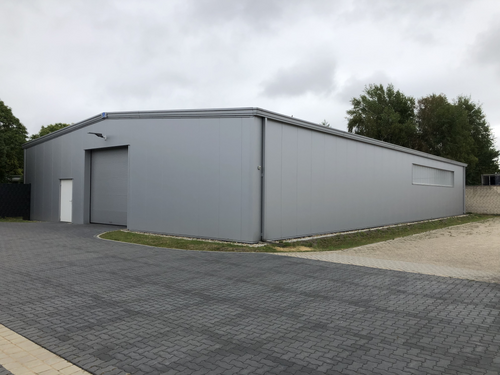
Two new warehouses were built in 2015 and 2017. This improved the storage conditions for raw materials and sheet music. The new building has also significantly reduced energy requirements.
-
82024
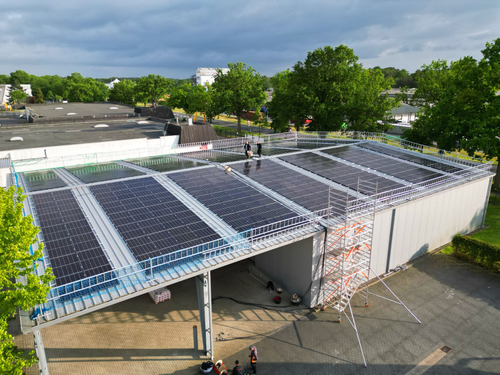
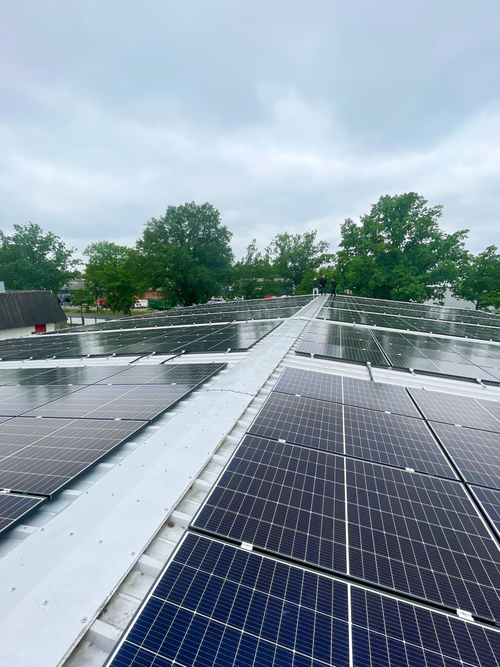
The installation and bringing into service of a large-scale photovoltaic system on the roofs of the two warehouses initiated self-sufficiency with green electricity. The system generates more electrical energy than the company needs. The surplus electricity is fed into the grid and thus contributes to covering the demand for green electricity where needed.