

5455 Hotteterre
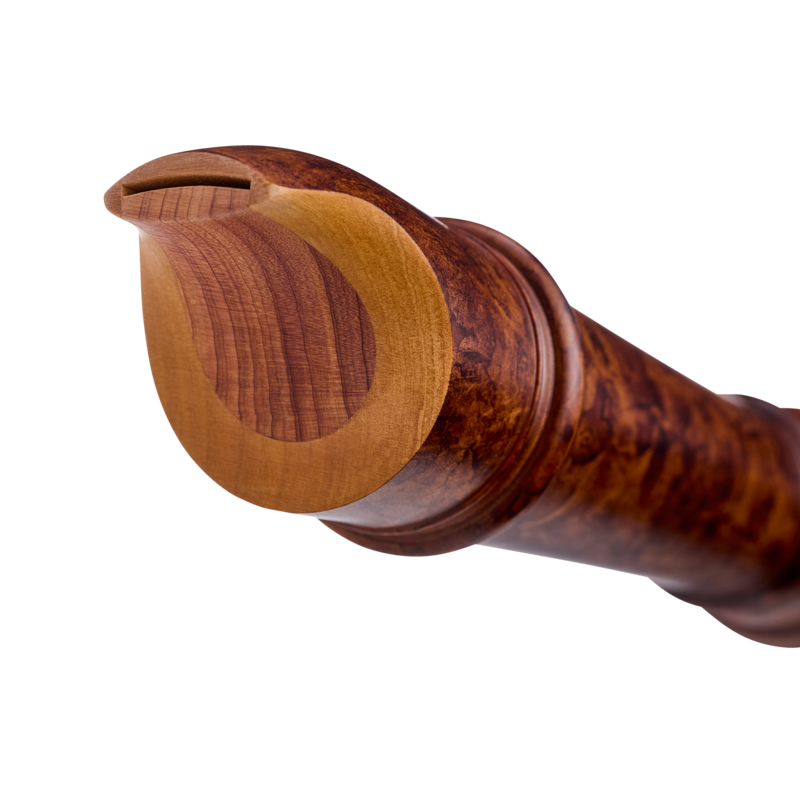
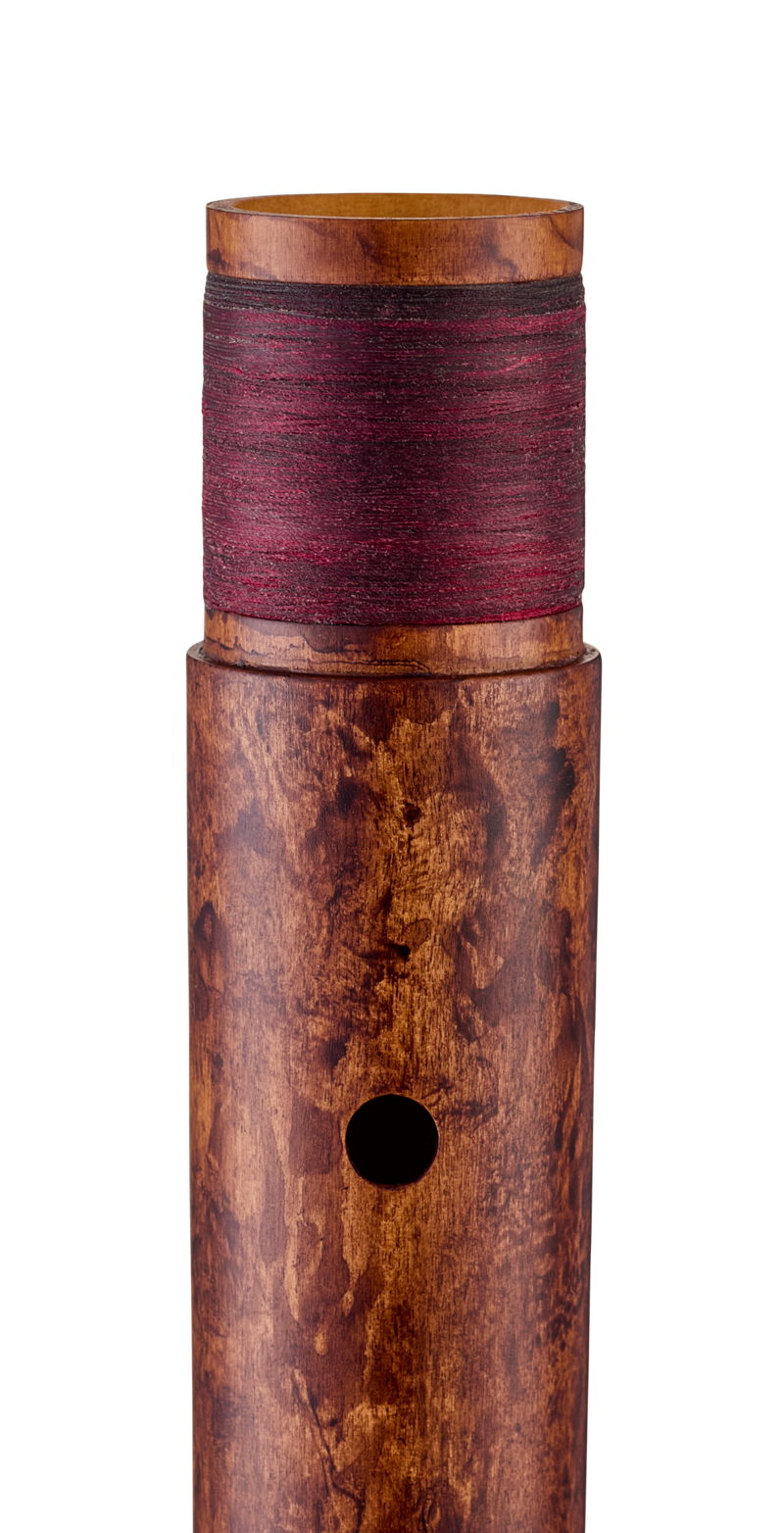
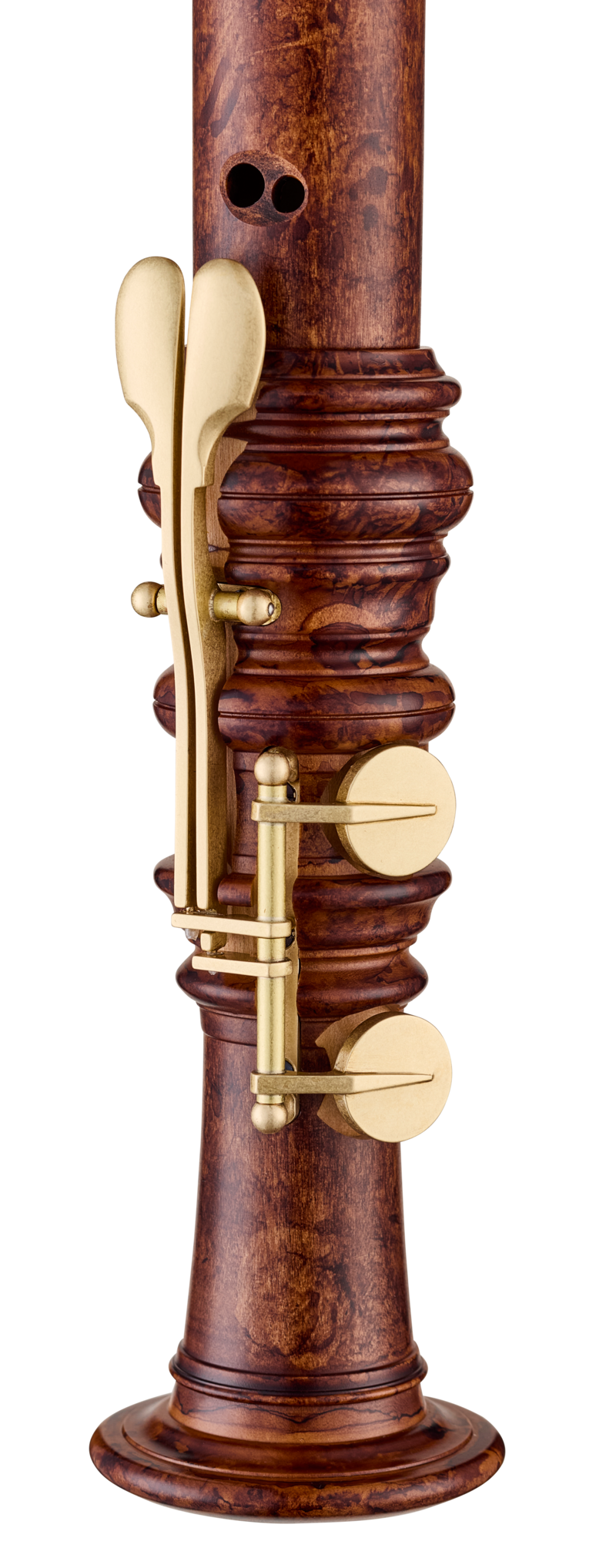
Great tone and Baroque elegance over 2 1/2 octaves. Our tenor recorder with a long bore for stability in all registers and a first-class timbre. Made from boxwood (calycophyllum multiflores), stained with a historically inspired finish. Baroque fingering with high-quality c/c sharp keyset and tuned to a1 = 442 Hz.
Three instruments served as models for our Hotteterre tenor: one from the Brüggen collection and two others from the Musée de la Musique in Paris.
Our Hotteterre combines the best features of these three historical recorders. Thanks to its long scale length, our Hotteterre tenor not only has tremendous power in the lower register. Stability and steadiness in all registers and an unmistakably voluminous, fundamental tone and charismatic warmth characterise this first-class instrument. With its captivating timbre and a range of over two and a half octaves, our Hotteterre is made for solo playing.
The key set, which is obligatory due to the long scale length, is based on a concept that easily meets today's technical and functional requirements while maintaining the better its historical form. Its elegant, filigree yet robust construction guarantees reliable and virtually silent covering of the tone holes, even during fast passages.
Made from selected boxwood (Calycophyllum multiflores) with a natural finish or historically inspired stain, our Hotteterre combines acoustic qualities with masterful craftsmanship and understated elegance. Tuned to A1 = 442 Hz or A1 = 415 Hz, there are two tuning pitches to choose from. For those for whom only the best is good enough.
Hardness scale
Our wood hardness scale allows you to compare the hardness of the wood used for this instrument with the hardness of other woods in our range. The sound of a recorder is influenced by many material properties. The hardness of the wood is a suitable indicator of certain sound characteristics: softer woods (hardness level 1-2) tend to produce a warm and fundamental tone that blends well in an ensemble, while harder woods (hardness level 4-5) lead to a bright and resonant tone, ideal for solo playing. Those who play both, in ensembles and solo, will find suitable all-rounders in the medium-hard range (hardness level 3).
Hardness level 3 - medium-hard wood
The boxwood used for this instrument (calycophyllum multiflorum, phyllostylon rhamnoides) is from South America. It is hard, fine-pored and evenly dense. The wood produces a warm and rich sound. This type of wood is one of the medium-hard to hard woods in our range.
Hardness scale
Our wood hardness scale allows you to compare the hardness of the wood used for this instrument with the hardness of other woods in our range. The sound of a recorder is influenced by many material properties. The hardness of the wood is a suitable indicator of certain sound characteristics: softer woods (hardness level 1-2) tend to produce a warm and fundamental tone that blends well in an ensemble, while harder woods (hardness level 4-5) lead to a bright and resonant tone, ideal for solo playing. Those who play both, in ensembles and solo, will find suitable all-rounders in the medium-hard range (hardness level 3).
Hardness level 3 - medium-hard wood
The boxwood used for this instrument (calycophyllum multiflorum, phyllostylon rhamnoides) comes from South America. It is hard, fine-grained, and uniformly dense. The wood produces a warm and rich sound. This type of wood is one of the medium-hard to hard woods in our range.
Scope of delivery:
Instrument case, cleaning rod and cloth, cork grease, care instructions and fingering chart, care set (alto / tenor)
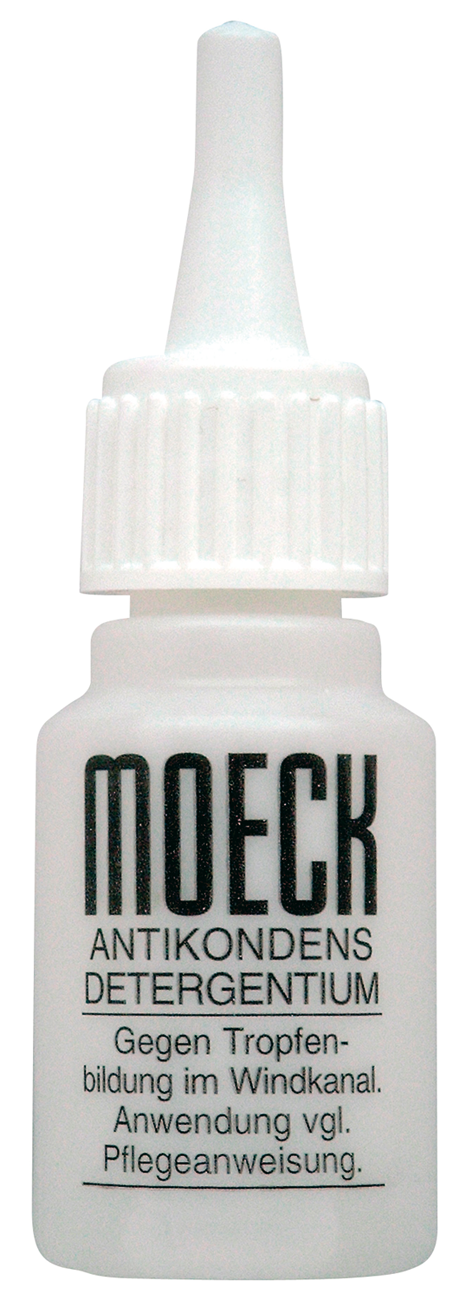
Anticondensation
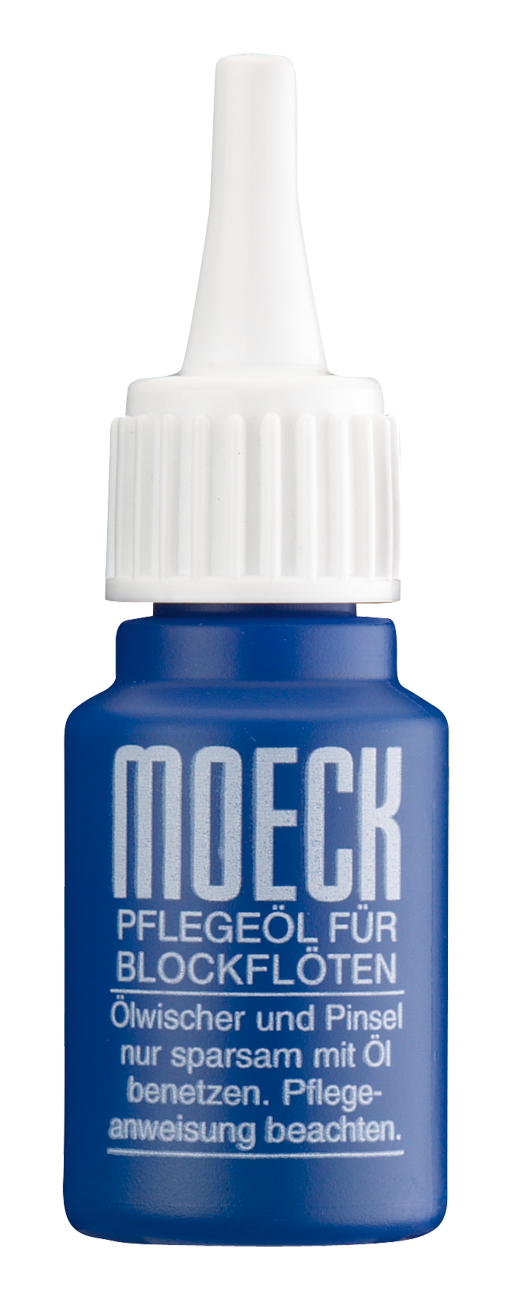
Recorder oil
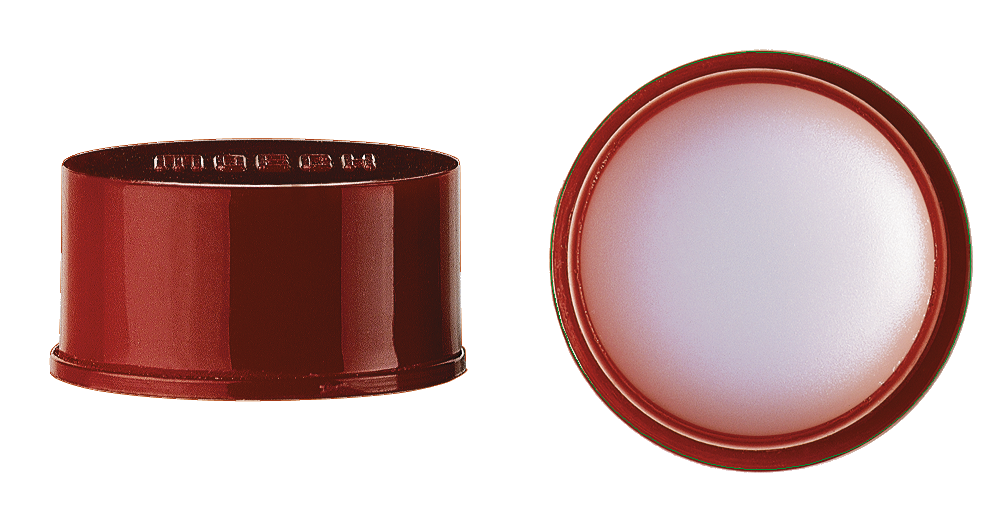
Cork grease
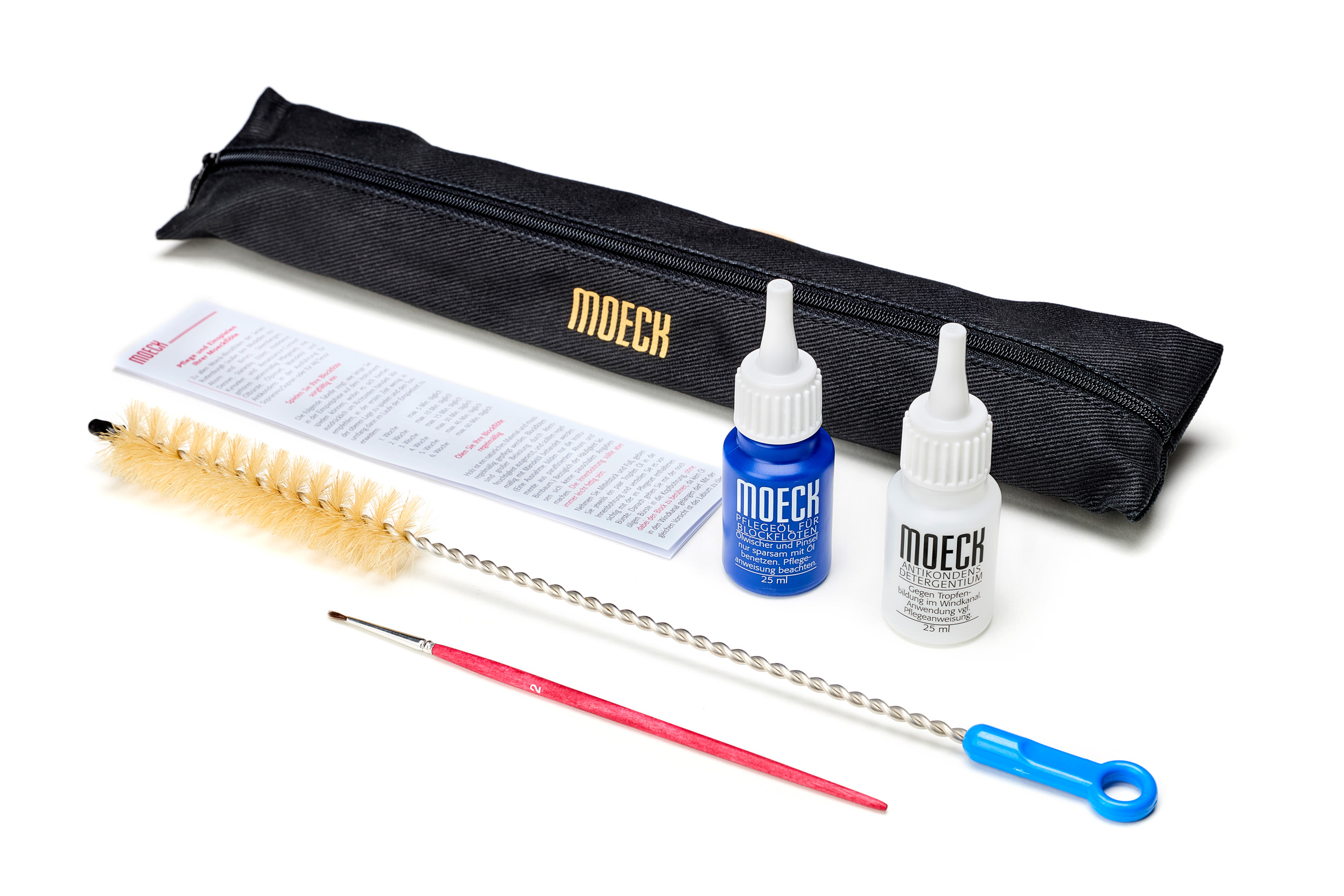
Care set for alto/tenor

Oil brush for alto/tenor

Wooden cleaning rod for alto/tenor
Wooden stand for sopranino to bass
In our service area you will find fingering charts, catalogs and brochures or also video tutorials and PDF downloads.